Gazebo Anchoring Kits: What Our Crews Actually Bring (Slab, Pavers, Dirt, Deck)
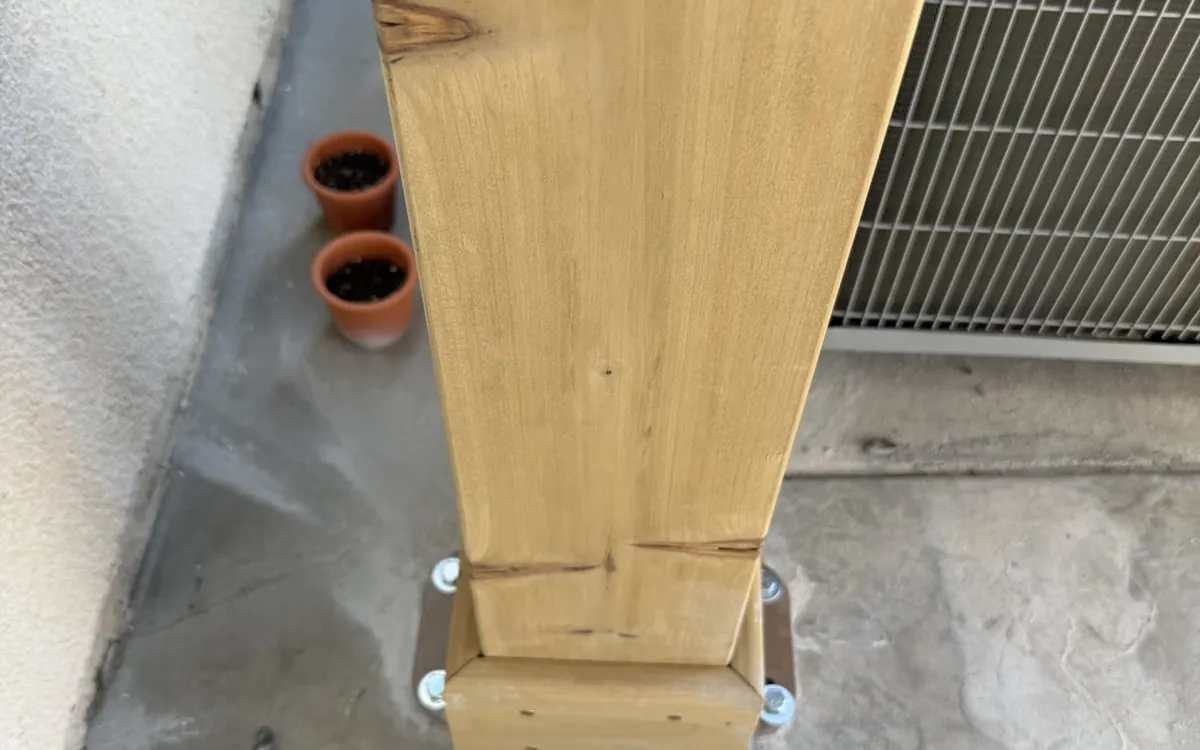
Anchoring is the most common topic in our records: 176 of 313 gazebo records, with footings in 29 and pavers in 9. Buy for your surface. Slab: 1/2 inch concrete screw anchors or wedge anchors plus an SDS hammer drill. Footings that miss the plates: anchoring epoxy and threaded rod. Pavers: core to the base or pour footings. Dirt: footing tubes and bagged concrete for a hardtop, auger anchors for a soft top. Deck: long structural screws into joists.
Why listen to us: Zomg The Handyman crews have assembled 2,500+ gazebos across all of California, years of work that predates our current booking system. Since April 2026 alone that system logged 45 completed gazebo, pergola and canopy assemblies in 30 California cities and 129 written gazebo and pergola quotes, and those recent job sheets are the numbers quoted in these guides. We are not reviewing boxes we have never opened. Everything below comes from kits our crews stood up, squared and anchored, or from what customers asked us before buying. Epoxy anchoring materials were a separate line on our Yucca Valley 12x20 job, misaligned footings in Granada Hills were solved with epoxy and rod, Gardena got poured footings under an allen+roth 10x12, and a Santa Clara customer booked anchoring alone for a pergola they had already assembled.
Quick Comparison
| Pick | Best For | Price Tier |
|---|---|---|
| Slab: Our Default | Simpson Titen HD 1/2 inch Concrete Screw Anchors | Hardware |
| Slab: Permanent Set | 1/2 inch Wedge Anchors (zinc or stainless) | Hardware |
| Footings That Miss | Anchoring Epoxy plus 1/2 inch Threaded Rod | Hardware |
| The Drill | SDS-Plus Rotary Hammer Drill with 1/2 inch Carbide Bit | Hardware |
Our Picks
Match the Kit to the Surface
| Surface | What we use | Notes |
|---|---|---|
| Concrete slab | 1/2 inch concrete screw anchors or wedge anchors through every base plate | Easiest case. Check slab thickness (4 inches or more) and stay off the edges. |
| Pavers | Core through to the compacted base and anchor there, or pour footings at each post | Pavers shift. Nine paver conversations this year; the Downey 12x24 needed a full slab. |
| Dirt, grass, DG | Poured footings for a hardtop; augers for a soft top | Measure post centers from the manual before you dig. Uplift is the failure mode. |
| Wood deck | Long structural screws into joists, blocking where needed | Never into deck boards alone. Eleven deck conversations this year. |
| Footings that miss | Anchoring epoxy and threaded rod at the real plate location | The Granada Hills fix. Cheaper than re-pouring. |
| No-drill situations | Anchor to adjacent structure or weighted bases | An Alameda HOA barred drilling the roof deck; we quoted anchoring to existing structure. |
What the Crews See
Old anchors in the way. When a new kit replaces an old one, the base-plate pattern almost never matches (Rancho Cucamonga: an 8x10 pergola's anchors were still in the slab under a new 10x10). Plan on new holes and a grinder to flush the old studs.
Anchoring booked by itself. A Santa Clara customer assembled their pergola and then booked us just to anchor it to concrete. That is a real service and a smart move if you own a drill but not a rotary hammer.
Customers who skip it. "I don't think anchors will be necessary" appears in a Yorba Linda booking for a 14 by 9.7 foot louvered pergola on slate. We built it as asked and said what we always say: it is a sail. If you skip anchoring, at least leave the louvers open in wind.
Crew time is the number people get wrong. On the 25 completed jobs with a clean clock-in and clock-out, our crews spent between 2.6 and 10.9 hours on site, median 5.3 hours. 27 of the completed jobs were done by one pro, 9 by two, 4 by three and one by a four-person crew. The big cedar kits and the 12x20-plus louvered pergolas are the ones that get two or three people. A homeowner doing the same kit for the first time should plan on a full weekend with a helper.
Measure Before You Buy (Cuts Returns)
Big outdoor kits are the items most likely to go back, and almost every return we hear about is a fit problem, not a quality problem. Spend ten minutes with a tape before you order. For anchoring specifically, measure slab thickness at an edge or a drain, and map any irrigation lines or conduit under the pad before anyone drills.
- Roof size is not post size. A "12x14" is the roof. The posts sit inside that line, and the eave sticks out past the posts on every side. Measure the pad for the roof and leave at least 2 to 3 feet of walk-around beyond the roof line so you can mow, open a gate and get the roof panels up on ladders.
- Height clearance. Check eaves, fence tops, the patio cover you already have and tree limbs. One of our jobs was moving a pergola 40 feet across a slab to clear a 10 foot lemon tree with a pergola that only had 7.5 feet of clearance. Measure the highest point of the roof on the spec sheet, then add a foot for the crew to lift panels into place.
- What is under it. Anchoring came up in 176 of the 313 gazebo records we pulled, more than any other topic. A level concrete slab is the easy case. Pavers are not a foundation: they shift, so we drill through to the base or pour footings. Dirt, grass or decomposed granite means poured footings (we did 29 footing conversations in this window). A wood deck means through-bolting to joists, never to the deck boards.
- Is the slab level? Leveling or an uneven pad came up 27 times. Lay a long level or a straight board across the pad in both directions. A slab that drops an inch over 12 feet still works, but tell the crew so they bring shims and a plan.
- Permits and HOA. Many California cities exempt a detached, open-sided structure under 120 square feet (about 10x12) from a building permit, but setbacks from the property line still apply and HOAs can be stricter than the city. Larger units and anything bolted to a slab may need a permit. One customer in the Bay Area needed HOA architectural approval and a no-drill anchor plan before we could start. Read our California gazebo permit guide before you order.
- Delivery reality. These kits arrive on a pallet in many cartons and often get left in the driveway. Plan the path to the backyard: gate width, steps, side-yard width. Hauling the packaging away came up 51 times, so expect a lot of cardboard and foam.
- Wind. Wind was mentioned 23 times, and our own job notes say "anchoring for California wind conditions" because an unanchored roof is a sail. If you live in a Santa Ana, sundowner or coastal gust area, budget for anchoring from day one and lean toward a hardtop with a vented double roof.
Buy It, Then Let Zomg Stand It Up
Our crews assemble any brand you buy, from Amazon, Costco, Home Depot, Lowe's or Wayfair, anywhere in California. Gazebo and pergola assembly starts at $500 in our price book, louvered pergola installation starts at $999, and most finished jobs landed between $650 and $1,900 once anchoring, footings, old-structure takedown or haul-away were added. The crew squares it, levels it, anchors it for wind and takes the packaging away.
More on the service: gazebo assembly, Amazon gazebo assembly, Costco gazebo assembly, and what it costs in our gazebo assembly cost guide. Serving Los Angeles, San Diego, San Jose, Fresno, Sacramento and every city in between.
Need help with this in California?
Zomg The Handyman has assembled 2,500+ gazebos and anchors every one across all of California. Upfront prices, 4.9 rated on Google. Same-day available.
Get a Gazebo Assembly Quote →Frequently Asked Questions
What anchors do you use for a gazebo on concrete?
1/2 inch concrete screw anchors (Titen HD style) through every base plate as the default, wedge anchors for a permanent set, epoxy and threaded rod where a footing misses the plate.
Can you anchor a gazebo to pavers?
Not to the pavers themselves. We core through to the compacted base or pour footings at each post. Pavers shift and the anchor pulls out.
How deep do gazebo footings need to be?
Deep enough to reach undisturbed soil and below frost, which is shallow in most of California; 12 to 18 inches is typical for these kits, wider for large louvered units. Local code may specify.
Do you offer anchoring only?
Yes. Customers who assembled their own kit book us to anchor it to concrete, and it is a short visit with the right drill.
Our service areas: Gazebo Assembly in Los Angeles · Gazebo Assembly in San Diego · Gazebo Assembly in Irvine
Once It Is Anchored
Yardistry Meridian picks on Amazon
Yardistry leads our records with 64 mentions, most of them Costco kits. The Meridian line is also on Amazon in every size; these are the sizes that fit this page.
As an Amazon Associate we may earn from qualifying purchases. It never changes your price.
Gazebo buying guides from our crews
Written from real California assembly jobs: which sizes and brands people buy, what goes wrong on site, and how to measure so the kit you order is the kit you keep.
- Best 10x10 gazebo
- Best 10x12 gazebo
- Best 12x14 gazebo
- Best 12x16 gazebo
- Best 12x20 and larger
- Hardtop vs soft top, aluminum vs steel vs wood
- Best gazebo for California wind and sun
- Pergola alternatives to a gazebo
- Netting and curtain replacements
- Gazebos our crews assemble most
- Measure before you buy checklist
Want a pro to handle the Gazebo & Pergola Assembly?
Insured, background-checked Gazebo & Pergola Assembly pros across California. Fastest exact price: send a quote request with photos.
Popular areas: Los Angeles · Riverside · Long Beach · see all cities