Measure Before You Buy a Gazebo: The Checklist Our Crews Wish Every Customer Used
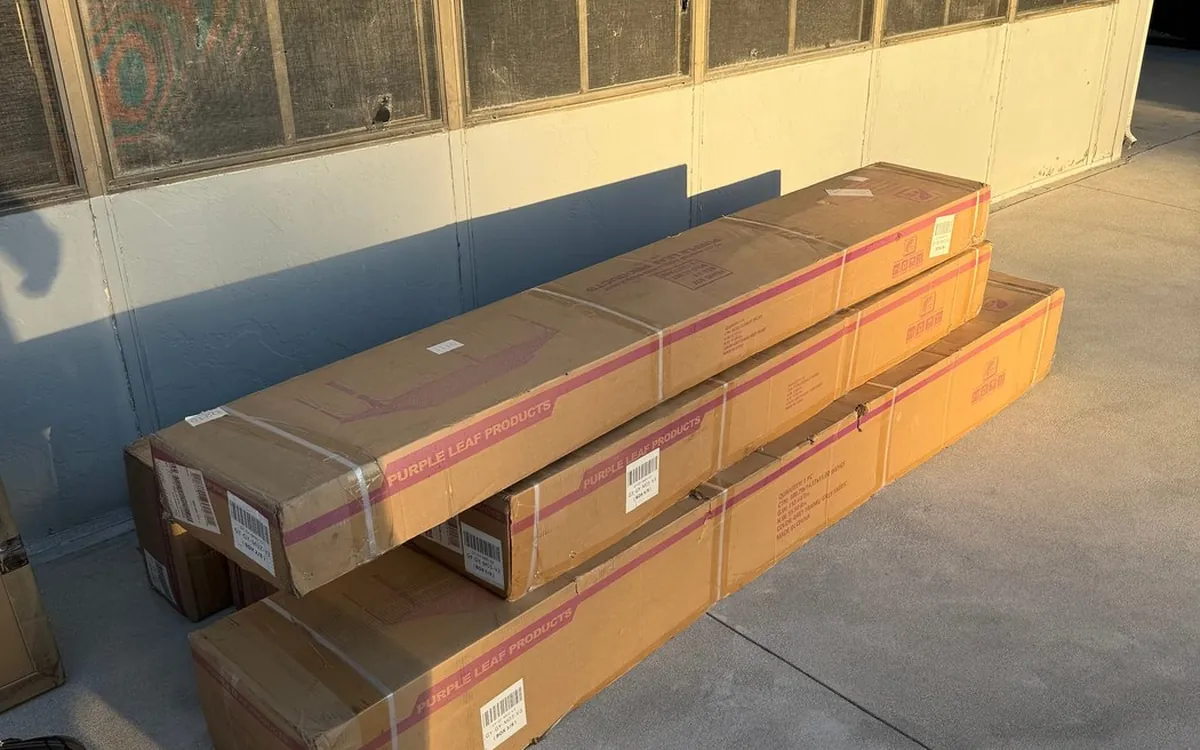
Large outdoor kits get returned for fit, not quality. Before you order: measure the pad for the roof size plus 2 to 3 feet of walk-around, measure height clearance to the peak plus a foot, find out what is under the pad (slab, pavers, dirt, deck), check level in both directions, check the permit threshold and your HOA, measure the gate and side yard for the pallet, and note your wind. Anchoring came up in 176 of 313 gazebo records this year; it is the thing to plan.
Why listen to us: Zomg The Handyman crews have assembled 2,500+ gazebos across all of California, years of work that predates our current booking system. Since April 2026 alone that system logged 45 completed gazebo, pergola and canopy assemblies in 30 California cities and 129 written gazebo and pergola quotes, and those recent job sheets are the numbers quoted in these guides. We are not reviewing boxes we have never opened. Everything below comes from kits our crews stood up, squared and anchored, or from what customers asked us before buying. This is the checklist, standalone and printable. Every size guide in the series carries a short version of it.
The Checklist
- Roof size, not post size. The number on the box (10x12, 12x14) is the roof. Posts sit about a foot inside that on each side; eaves stick out past the posts. Pad needed: roof size plus 2 to 3 feet on every side for walk-around and ladders.
- Usable floor. Roughly roof size minus 1.5 feet each way. A 10x12 gives about 8.5 by 10.5 feet, seats six. A 12x14 gives 10.5 by 12.5, seats eight.
- Height. Find the peak height on the spec sheet. Add a foot for lifting panels. Check against eaves, patio covers, fence tops, tree limbs and second-story windows. We moved a pergola 40 feet across a slab this year to clear a 10 foot lemon tree.
- What is under it. Slab: easiest, anchors go straight in. Pavers: not a foundation; we core to the base or pour footings. Dirt or DG: footings for a hardtop, augers for a soft top. Deck: through-bolt to joists. Anchoring was the top topic in our records (176 mentions); footings came up 29 times.
- Level. Long level or straight board across the pad both ways. Note the drop. A louvered roof is far less tolerant than a gazebo roof.
- Existing anchors or stubs. From an old structure? They will not match. Plan new holes and a grinder.
- Permit threshold. Many California cities exempt a detached, open-sided structure under 120 square feet (10x12) with no permanent foundation. Larger, or anchored to a slab, may need a permit. Setbacks apply regardless. Read the permit guide.
- HOA. Architectural approval can take weeks and can forbid drilling (an Alameda customer needed a no-drill plan). Ask before ordering.
- Delivery path. Pallet in the driveway, many cartons. Measure gate width, side-yard width, steps. Packaging haul-away came up 51 times; expect a lot of it.
- Wind. Santa Ana, sundowner, Delta or coastal? Budget anchoring from day one and prefer a vented double roof. Keep the windward side free of curtains.
- Utilities under the pad. Irrigation lines, conduit, drains. Drilling into a sprinkler main is a bad afternoon.
- Add-ons now, not later. Ceiling fan, lights, gutter kit, netting, privacy wall. They go in faster while the roof is open. Fans and lights came up often in our records.
Pad Size Cheat Sheet
| Kit size (roof) | Approx. usable floor | Minimum pad with walk-around | Permit note (typical CA city) |
|---|---|---|---|
| 8x8 | 6.5 x 6.5 ft | 12 x 12 ft | Usually exempt |
| 10x10 | 8.5 x 8.5 ft | 14 x 14 ft | Usually exempt |
| 10x12 | 8.5 x 10.5 ft | 14 x 16 ft | At the 120 sq ft line |
| 12x12 | 10.5 x 10.5 ft | 16 x 16 ft | Over; check |
| 12x14 | 10.5 x 12.5 ft | 16 x 18 ft | Over; check |
| 12x16 | 10.5 x 14.5 ft | 16 x 20 ft | Over; check |
| 12x20 | 10.5 x 18.5 ft | 16 x 24 ft | Permit likely |
| 12x24 | 10.5 x 22.5 ft | 16 x 28 ft | Permit likely |
Usable floor and pad numbers are rules of thumb from the kits we build; check the spec sheet for your exact model. Permit notes are general; your city and HOA decide.
What Happens When People Skip This
From this year's records: footings poured before the kit arrived that missed the base plates (fixed with epoxy and rod); a paver yard that needed a 290 square foot slab before a 12x24 could go up; a pergola that had to move 40 feet for tree clearance; an 8x10's anchors in the way of a new 10x10; a customer who did not think anchors were necessary on a 14 foot louvered roof. None of these were kit defects. All of them were ten minutes with a tape.
Crew time is the number people get wrong. On the 25 completed jobs with a clean clock-in and clock-out, our crews spent between 2.6 and 10.9 hours on site, median 5.3 hours. 27 of the completed jobs were done by one pro, 9 by two, 4 by three and one by a four-person crew. The big cedar kits and the 12x20-plus louvered pergolas are the ones that get two or three people. A homeowner doing the same kit for the first time should plan on a full weekend with a helper.
Buy It, Then Let Zomg Stand It Up
Our crews assemble any brand you buy, from Amazon, Costco, Home Depot, Lowe's or Wayfair, anywhere in California. Gazebo and pergola assembly starts at $500 in our price book, louvered pergola installation starts at $999, and most finished jobs landed between $650 and $1,900 once anchoring, footings, old-structure takedown or haul-away were added. The crew squares it, levels it, anchors it for wind and takes the packaging away.
More on the service: gazebo assembly, Amazon gazebo assembly, Costco gazebo assembly, and what it costs in our gazebo assembly cost guide. Serving Los Angeles, San Diego, San Jose, Fresno, Sacramento and every city in between.
Need help with this in California?
Zomg The Handyman has assembled 2,500+ gazebos and anchors every one across all of California. Upfront prices, 4.9 rated on Google. Same-day available.
Get a Gazebo Assembly Quote →Frequently Asked Questions
What size pad do I need for a 12x14 gazebo?
At least 16 by 18 feet to fit the roof plus 2 to 3 feet of walk-around for mowing, gates and ladders. The posts themselves sit on roughly a 10.5 by 12.5 foot rectangle.
How tall is a hardtop gazebo?
Most 10x12 to 12x16 hardtops peak between 9.5 and 11 feet; cedar kits run taller. Check the spec sheet and add a foot for lifting panels.
Can I put a gazebo on pavers?
Not anchored to the pavers. We core through to the compacted base or pour footings at each post. Pavers shift.
Do I need a permit for a gazebo in California?
Often not under 120 square feet, detached, open-sided, no permanent foundation; larger or slab-anchored units often do. Setbacks and HOA rules apply either way. Check locally before ordering.
Our service areas: Gazebo Assembly in Los Angeles · Gazebo Assembly in San Diego · Gazebo Assembly in Irvine
Anchoring Hardware for Every Surface
Gazebo buying guides from our crews
Written from real California assembly jobs: which sizes and brands people buy, what goes wrong on site, and how to measure so the kit you order is the kit you keep.
- Best 10x10 gazebo
- Best 10x12 gazebo
- Best 12x14 gazebo
- Best 12x16 gazebo
- Best 12x20 and larger
- Hardtop vs soft top, aluminum vs steel vs wood
- Best gazebo for California wind and sun
- Pergola alternatives to a gazebo
- Gazebo anchoring kits
- Netting and curtain replacements
- Gazebos our crews assemble most
Want a pro to handle the Gazebo & Pergola Assembly?
Insured, background-checked Gazebo & Pergola Assembly pros across California. Fastest exact price: send a quote request with photos.
Popular areas: Los Angeles · Riverside · Long Beach · see all cities