Emergency Plumbing in California: What to Do Before the Pro Arrives
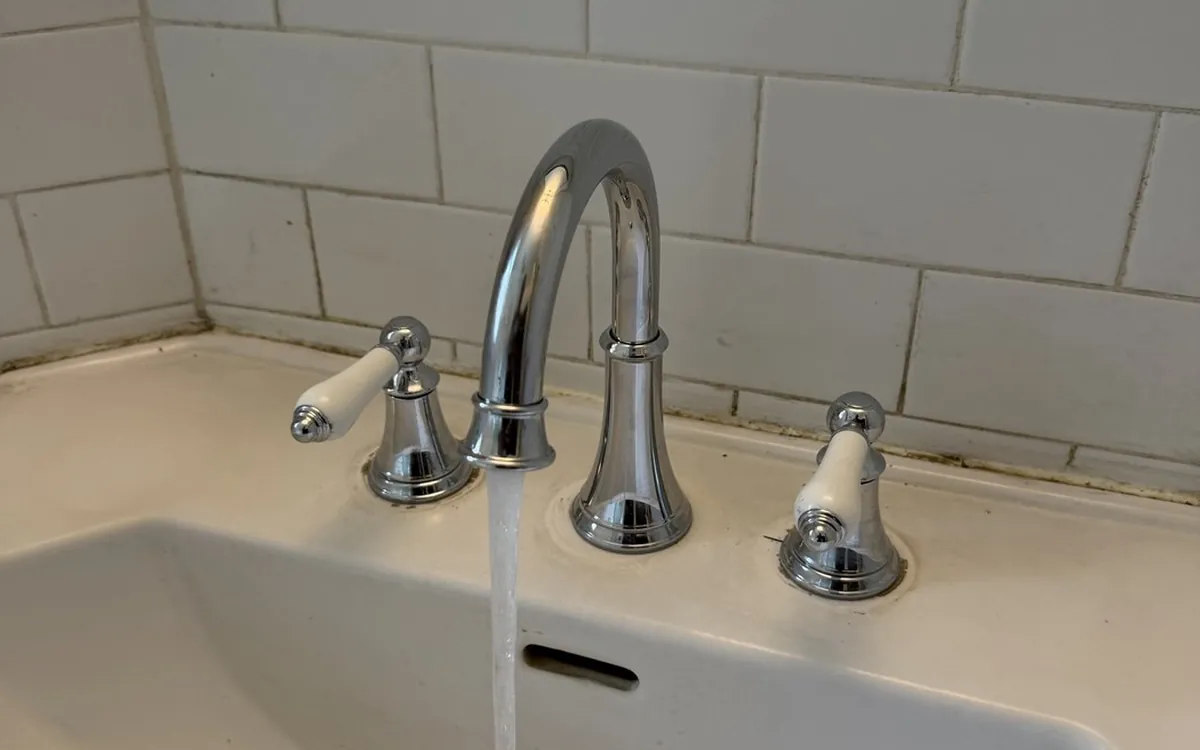
In any plumbing emergency: (1) shut off the water supply nearest the leak, (2) shut off power to affected outlets, (3) contain water with towels and buckets, (4) document damage with photos for insurance, (5) call a 24-hour plumber. Every minute matters — water damage compounds fast.
Know These Shutoffs Before an Emergency Happens
When water is flooding your house is the worst time to figure out where the shutoff is. Know these locations now:
- Main water shutoff: Usually in the garage, basement, or outside near the water meter. Turn clockwise to shut off the entire house.
- Water heater shutoff: Cold supply line above the tank. Turn clockwise.
- Toilet shutoff: Oval valve on the wall behind/under the toilet. Turn clockwise.
- Sink shutoffs: Under each sink (hot and cold). Turn clockwise.
- Washer shutoffs: Behind the washer. Turn both handles clockwise.
- Irrigation shutoff: At the backflow preventer near your water meter or hose bib.
Burst Pipe Emergency
- Shut the main water off immediately. Clockwise.
- Open the lowest faucet in the house (usually an outdoor hose bib or basement) to drain water pressure from the system.
- Turn off the water heater — if water drains from the house, the heater can run dry and overheat.
- If water reached any electrical outlets or the electrical panel, shut off the breakers to those circuits.
- Photograph the damage for insurance before you start cleanup.
- Start water removal with shop vacuums, towels, and mops.
- Call a 24-hour plumber and water damage restoration (ServPro, 911 Restoration).
Overflowing Toilet
- Turn the oval shutoff valve on the wall behind the toilet clockwise until it stops.
- Remove the toilet tank lid and lift the rubber flapper to stop water flow.
- Clear the clog with a flange plunger or a toilet auger.
- If the clog won't clear, call a plumber — forcing harder can crack the bowl or pipes.
Water Heater Leaking
Small drip from pressure relief valve (T&P)
The T&P valve is a safety device. A slight drip after a hot water use is normal. A steady drip or stream means either (1) the valve is faulty or (2) tank pressure is too high — both require immediate service.
Water pooling under the tank
The tank itself is leaking. This only gets worse — never better. Replace immediately.
- Shut off the water supply to the heater
- Shut off the gas (gas heater) or breaker (electric)
- Call a plumber for same-day replacement (typically $1,400–$2,800 installed in California)
Water heater making popping/rumbling sounds
Sediment buildup in the tank. Not an emergency but schedule a flush within 30 days before it progresses.
Garbage Disposal Emergency
Disposal won't turn on
- Press the red RESET button on the bottom of the disposal.
- Check the kitchen breaker.
- If it hums but doesn't spin, insert the Allen wrench (usually shipped with the unit) into the bottom center port and rotate both directions to free the blades.
Disposal leaks from the bottom
Tank is cracked — needs replacement. Shut off the breaker and call a plumber.
Disposal leaks from the top (between disposal and sink)
The mounting ring or gasket has failed. Can often be re-seated; may need replacement.
Sink Clogged
- Remove standing water with a cup.
- Try a sink plunger (different from a toilet plunger — flat cup, not flange).
- If that fails, remove the P-trap under the sink (place a bucket below it).
- Clean the trap and reinstall.
- If water still won't drain, the clog is further down the line — call a plumber with a snake.
Do NOT Use Chemical Drain Cleaners on Emergencies
Drano and similar chemicals eat through pipes over time (especially PVC), and they're extremely dangerous if a plumber later has to open the pipe with chemical residue inside. Use a plunger, auger, or call a pro.
California 24-Hour Plumber Pricing
| Emergency Service | Typical 24-Hour Cost |
|---|---|
| After-hours service call (no work) | $150 – $250 |
| Emergency burst pipe repair | $350 – $750 |
| Emergency water heater replacement | $1,400 – $3,000 (installed) |
| Toilet clog (snake service) | $150 – $300 |
| Drain line snaking | $200 – $450 |
| Weekend / holiday premium | Add 25–50% |
Insurance Tips
- Photograph damage before cleanup
- Keep receipts for emergency materials and services
- Save any damaged items for adjuster inspection
- Document every call (plumber, insurance, restoration) with time and content
- California homeowner's insurance usually covers sudden water damage but NOT slow leaks that have been ongoing for weeks
Book California Plumbing Service
For non-emergency plumbing — faucets, toilets, garbage disposals, leaks — Zomg The Handyman offers same-day service across California. For true emergencies, call a 24/7 plumbing company immediately. See our plumbing services.
Frequently Asked Questions
What do I do if a pipe bursts in my California home?
Shut off the main water valve immediately, open the lowest faucet to drain the system, turn off the water heater, shut off breakers to any affected circuits, document damage with photos, and call a 24-hour plumber.
How much does an emergency plumber cost in California?
After-hours service calls in California run $150 to $250 just to show up. Actual repair costs vary: burst pipe $350 to $750, emergency water heater $1,400 to $3,000 installed, drain snaking $200 to $450.
Is homeowner's insurance going to cover a burst pipe?
Most California homeowner's policies cover sudden, unexpected water damage like a burst pipe. Slow leaks that have been ongoing for weeks are typically NOT covered. Document thoroughly and report within 48 hours.
Should I use Drano in an emergency?
No. Chemical drain cleaners damage PVC pipes over time and create dangerous working conditions when a plumber needs to disassemble the pipe. Use a plunger, auger, or call a pro.
Get it installed
Want a pro to handle the Plumbing Repair?
Insured, background-checked Plumbing Repair pros across California. Fastest exact price: send a quote request with photos.
Popular areas: Los Angeles · Riverside · Long Beach · see all cities