Raised Garden Beds: Metal vs Cedar vs Composite, Sizes and Soil
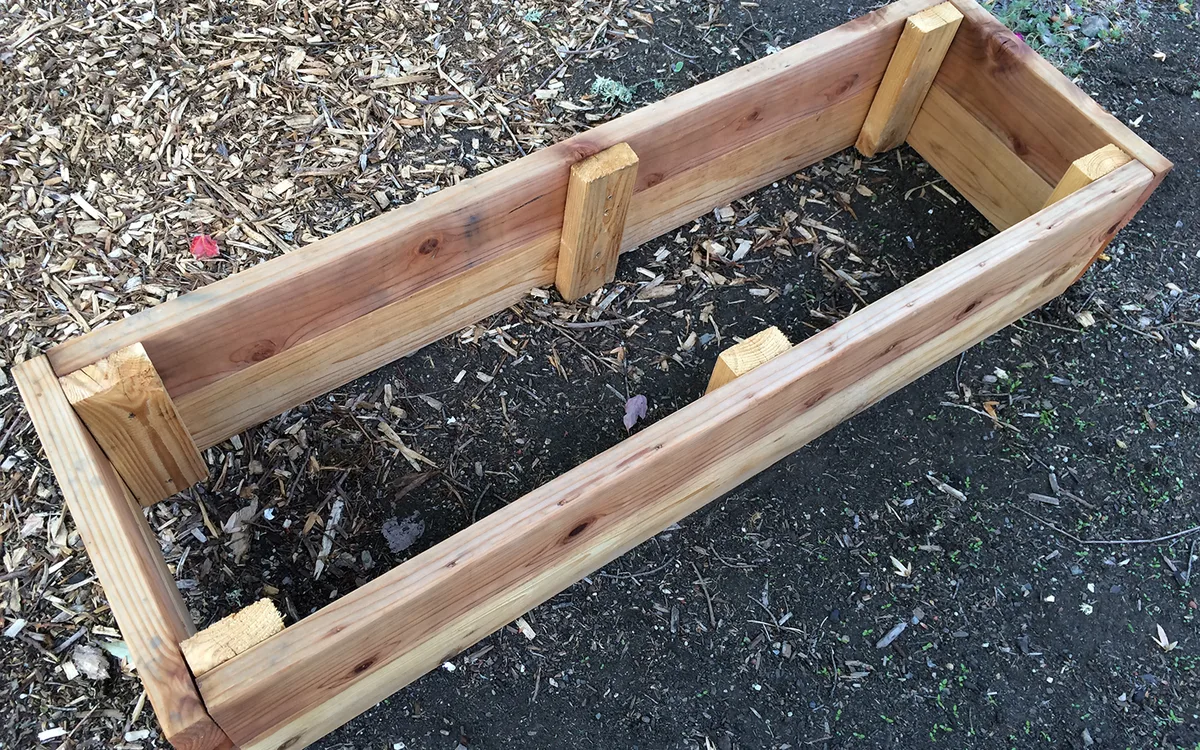
Buy the material for the sun and the budget, and the size for your reach. Galvanized or powder-coated steel is the long-lasting, low-fuss choice, though the sides get warm in full sun. Cedar looks natural and lasts years untreated but costs more per foot. Composite and plastic lumber do not rot and suit damp spots. A bed 3 to 4 feet wide lets you reach the middle from either side, and 10 to 12 inches deep is enough for most vegetables. Fill it with a mix of topsoil and compost, not straight bagged garden soil. Zomg assembles raised garden beds from $130.
Why listen to us: Zomg The Handyman crews build, repair and install outdoor products all year, and the calls pick up every spring when people start using the backyard again. This guide is what our installers tell customers before they buy, so the thing you order is the thing that fits your yard, your house and your weekend. Raised beds are one of the easiest backyard projects to start in March, and one of the easiest to get wrong: crooked, too deep, or filled with the wrong soil.
Quick Comparison
| Pick | Best For | Price Tier |
|---|---|---|
| Best Long Lasting | Galvanized Steel Raised Bed, 4 x 8 ft, 17 Inches Tall | Mid tier |
| Best Look | Cedar Raised Bed, 4 x 8 ft, Interlocking Corners | Premium tier |
| Best Maintenance-Free | Composite or Recycled Plastic Raised Bed | Mid tier |
| Best for Small Spaces | Elevated Raised Bed With Legs, 2 x 4 ft | Mid tier |
| Best Add-On | Garden Bed Liner or Hardware Cloth | Hardware |
Our Picks
Metal vs Cedar vs Composite
| Material | Lasts | Good for | Watch for |
|---|---|---|---|
| Galvanized or powder-coated steel | Many years, no rot | Most yards, low upkeep | Warm sides in full sun, sharp edges when assembling |
| Cedar | Years untreated, outlasts pine | Natural look, shade or part sun | Price, thin boards that bow |
| Pine or fir | Shorter | Budget starter bed | Rot at the ground line, avoid treated lumber from unknown sources |
| Composite or plastic lumber | Very long | Damp spots, no splinters | Corner strength once full |
| Concrete block or stone | Permanent | Permanent beds, big yards | Heavy, a job for a pro or a helper |
Size and Depth: What to Buy
- Width: 3 to 4 feet. You can reach the middle from either side without stepping in the soil. Stepping on the bed compacts it.
- Length: 4 to 8 feet. Eight feet is the common kit size and fits two beds side by side with a path.
- Depth: 10 to 12 inches for most vegetables. Root crops like carrots and potatoes are happier at 12 or more. Taller beds (17 to 24 inches) save your back but need more soil.
- Path width: about 2 feet between beds, so a wheelbarrow gets through.
- Sun: 6 to 8 hours for tomatoes, peppers and squash. Leafy greens tolerate less.
Soil volume is length times width times depth. A 4 by 8 foot bed that is 1 foot deep is 32 cubic feet, a little over a cubic yard. Order bulk soil when you have two or more beds, since bagged soil adds up fast.

What to Fill It With
A good mix is about two parts topsoil to one part compost, or a pre-blended raised bed mix. Straight bagged garden soil packs down, and straight compost is too rich. Fill to a couple of inches below the top so water stays in the bed. Check that whatever you fill with is labelled for gardens and for food crops, and top up each spring as the soil settles.
If gophers are in your neighbourhood, line the bottom with hardware cloth before the soil goes in. It is far easier before the bed is full. For the water side, our drip irrigation vs sprinklers guide covers lines for beds, and the greenhouse kit guide covers the next step up.
What We Check Before We Start
A bed is simple, but a crooked one never gets better once it is full of soil. This is what we look at first.
- Where it goes. Sun hours, a water source within reach, and space for a path around it.
- The ground. Level, or shimmed. A bed on a slope racks the corners and bulges one side when filled.
- Every part. Corner posts, side panels, brackets and screws counted before we start, so we never find a short pack halfway through.
- Corner brackets and bolts. Tightened evenly. We check that the bed is square by measuring diagonals.
- Sharp edges. Metal beds get edge caps or gloves, and wood beds get any splinters sanded.
- Location of pipes and wires. If the bed is near a sprinkler line or a drain, we check before anything is anchored.
Mistakes We See Most Often
- Building it on a slope without leveling. A full bed pushes outward, and the low side bulges first.
- Making the bed too wide. Past four feet you have to step in the soil, which packs it down.
- Skipping the gopher barrier. The bed looks fine until the first tomato disappears underground.
- Using treated lumber you do not know the source of. Choose beds sold for food gardens, or cedar, metal and composite.
- Filling with straight bagged soil. It compacts. Mix in compost, and top up each spring.
- Putting it in the shade. Fruiting vegetables want six to eight hours of sun.
- Forgetting the water. A bed far from a spigot gets watered when it is convenient, not when the plants need it.
A Simple Fill and Planting Calendar
- Before planting: set and level the bed, line it if you need to, and fill it two weeks early so the soil can settle and warm.
- Cool season crops (lettuce, peas, broccoli, kale) go in during the cool part of the year.
- Warm season crops (tomatoes, peppers, squash, beans) go in once nights stay warm.
- Each spring: top up the soil with compost, re-tighten any bolts and check the corners.
Check your local last frost date and your local extension service for planting dates. They vary a lot across California.
Buy It, Then Let Zomg Build It
Our crews build, repair and install what you buy, from Amazon, Costco, Home Depot, Lowe's or anywhere else. We take bookings in all 50 states. What it costs on our booking page:
- Raised garden bed assembly: from $130.
- Patio furniture assembly for the seating beside the garden: from $220.
Prices are from our booking page on November 22, 2026 and are what you pay for the work, not the product. The booking page always shows the current price and every option before you confirm.
The booking page shows the size and quantity options. Before you order a big bed, our spring maintenance checklist has the other jobs that go with the season.
Need help with this?
Zomg The Handyman builds, repairs and installs what you buy, with bookings in all 50 states. Upfront prices, 4.9 rated on Google.
Book Garden Bed Assembly →Frequently Asked Questions
Which raised bed material lasts longest?
Galvanized or powder-coated steel and composite do not rot. Cedar is the longest-lasting natural wood. Pine is the shortest-lived.
How deep should a raised garden bed be?
10 to 12 inches suits most vegetables. Root crops like more depth, and taller beds save your back but need more soil.
How much soil do I need for a 4 x 8 raised bed?
A bed 1 foot deep holds 32 cubic feet, a little over a cubic yard. Fill to a couple of inches below the rim.
Do metal raised beds get too hot?
The sides warm in full afternoon sun and the soil near them dries faster. Water more often and mulch the top.
How do I keep gophers out of a raised bed?
Line the bottom with hardware cloth before you fill it, and run it up the inside of the sides a few inches.
How much does raised garden bed assembly cost?
Raised garden bed assembly starts at $130. The booking page shows options and the current price before you confirm.
Small Things for the Garden
Get it installed