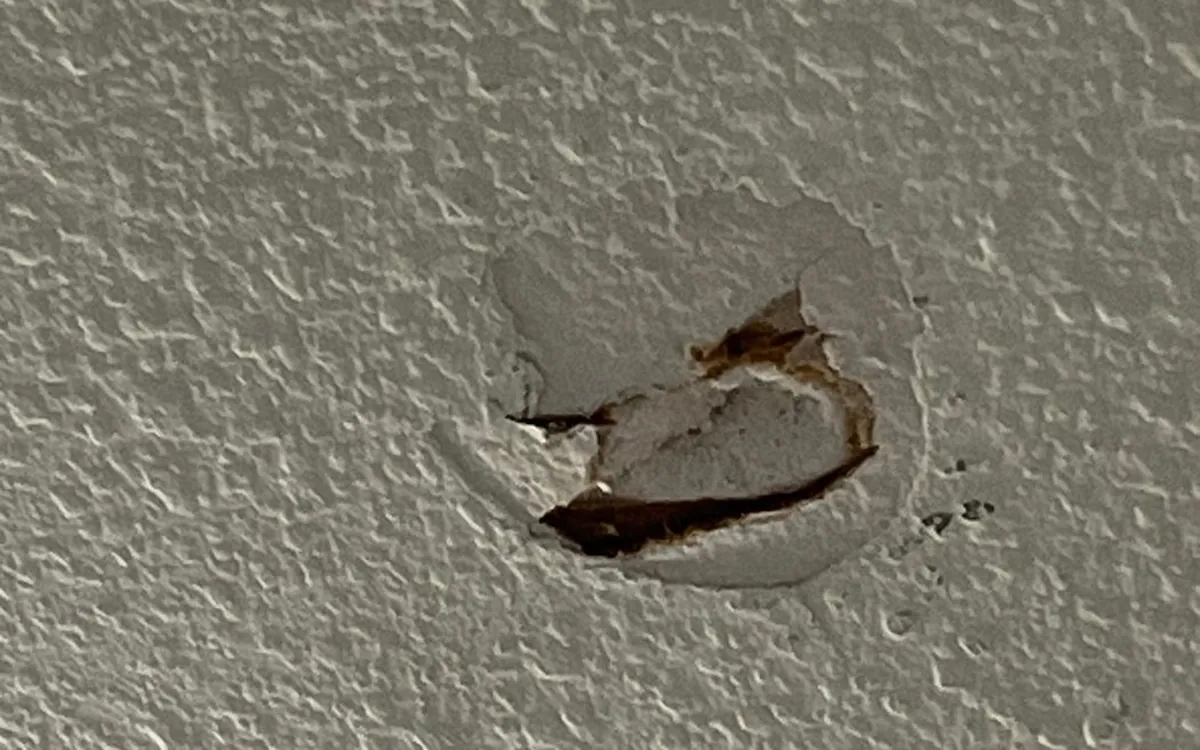
Whether it's a nail hole, doorknob damage, or a large patch from plumbing repairs, drywall repair is one of the most common handyman services we provide. This guide covers all types of drywall repair techniques used by professional dry wall contractors.
Types of Drywall Damage
Before starting any drywall repair, identify what type of damage you're dealing with:
- Nail/screw holes - Small punctures from hanging pictures
- Small holes - Up to 2 inches, typically from doorknobs or accidents
- Medium holes - 2-6 inches, often from anchors or minor impacts
- Large holes - 6+ inches, usually from plumbing/electrical work
- Water damage - Staining, bubbling, or softened drywall
- Cracks - Common at corners, seams, and around windows
Repairing Small Holes (Under 2 Inches)
The easiest type of drywall repair. Here's the professional method:
- Clean loose debris from the hole
- Apply lightweight spackling compound
- Let dry completely (follow product instructions)
- Sand smooth with 120-grit sandpaper
- Apply second coat if needed
- Prime and paint
Repairing Medium Holes (2-6 Inches)
Medium holes require a patch. There are two methods:
Method 1: Self-Adhesive Patch
- Clean the area and remove loose material
- Apply self-adhesive mesh patch over hole
- Cover with thin layer of joint compound
- Let dry, then apply 2-3 more coats, feathering edges
- Sand smooth between coats
- Prime and paint
Method 2: California Patch (Professional Method)
This method provides a stronger, more invisible repair:
- Cut a drywall piece 2" larger than hole on all sides
- Score the back, leaving the front paper intact
- Snap off the extra drywall, leaving paper "wings"
- Apply compound around hole edges
- Press patch in place, paper wings over surrounding wall
- Apply compound over entire patch, feathering edges
- Sand and repeat for smooth finish
Repairing Large Holes (6+ Inches)
Large holes require full drywall installation techniques:
- Cut damaged area into a clean rectangle
- Install backing boards (wood strips or drywall clips)
- Cut new drywall piece to fit
- Secure with drywall screws
- Tape all seams with paper or mesh tape
- Apply 3 coats of joint compound, feathering 6-8" beyond edges
- Sand smooth, prime, and paint
Water Damaged Drywall
Drywall repair for water damage requires extra steps:
- Fix the source - Never repair until the leak is fixed
- Assess damage - Press on the drywall. If soft, it must be replaced
- Check for mold - Look for black spots. Mold requires professional remediation
- Cut out damage - Remove all soft or stained drywall
- Let area dry completely - Use fans and dehumidifiers for 24-48 hours
- Replace drywall - Follow large hole repair method
Matching Drywall Texture
The hardest part of drywall repair is matching existing texture. Common textures include:
- Smooth - Easiest to match, just sand carefully
- Orange peel - Spray texture from a can, practice first
- Knockdown - Orange peel flattened with a knife
- Popcorn - Requires special spray texture, often best left to pros
- Skip trowel - Hand-applied texture, very difficult to match
When to Call a Professional
Consider hiring a drywall repair near me service when:
- Damage covers more than 1-2 square feet
- You need to match textured walls
- There's potential water damage or mold
- Damage is on ceilings (harder to work on)
- You want invisible, professional results
- Multiple rooms need repair
Cost of Professional Drywall Repair
Professional drywall repair costs depend on:
- Size of repair - Small patches vs. large sections
- Texture matching - Complex textures cost more
- Location - Ceilings and high walls cost more
- Includes painting? - Many repairs include primer and paint
At Zomg the Handyman, we provide upfront pricing for all drywall repair near me jobs. Book through our booking page to see exact pricing.
Need Professional Drywall Repair?
From small patches to full wall repairs, we deliver invisible results every time.
Book Drywall Repair Service →Conclusion
Drywall repair is a fundamental home maintenance skill, but achieving invisible results takes practice. For small nail holes, DIY is straightforward. For larger repairs or textured walls, professional drywall repair service ensures the repair blends perfectly with your existing walls.
If you're in Los Angeles and need drywall repair near me, book with Zomg the Handyman. We've completed thousands of drywall repairs and guarantee results you'll be happy with.
Want a pro to handle the Drywall Repair?
Insured, background-checked Drywall Repair pros across California. Fastest exact price: send a quote request with photos.
Popular areas: Los Angeles · Riverside · Long Beach · see all cities