Basketball Hoop Buying Guide: In-Ground vs Portable vs Wall-Mount
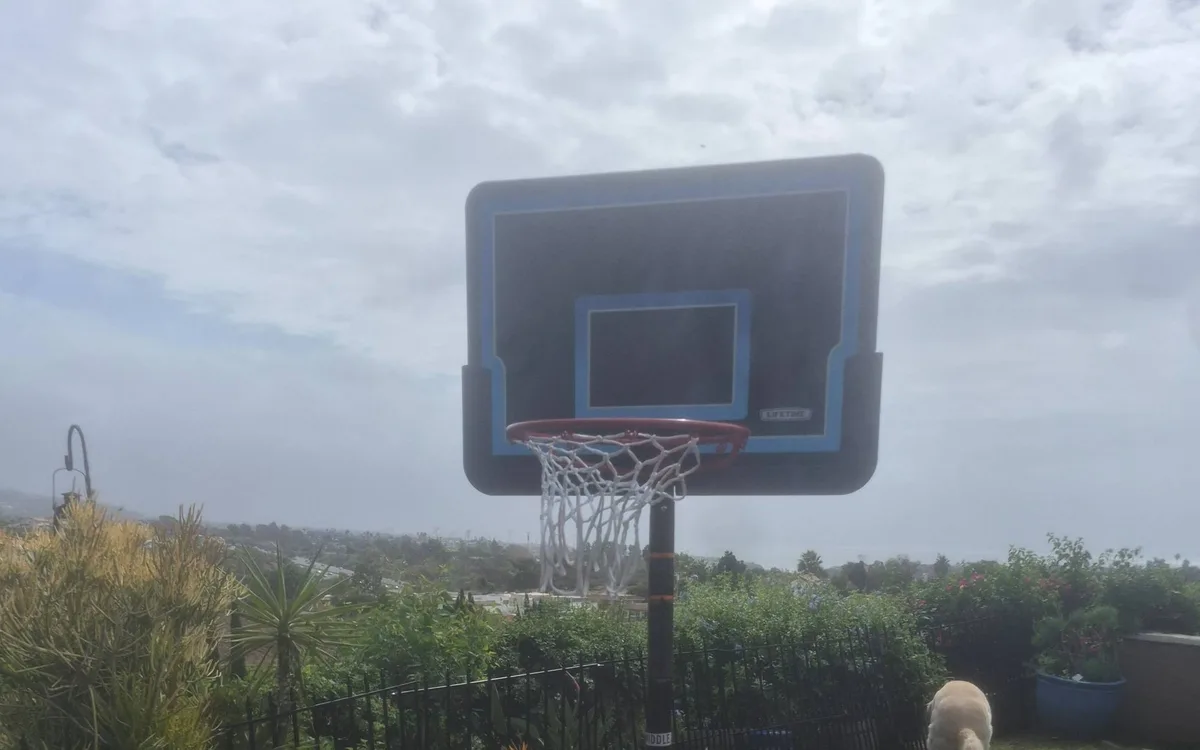
Pick the hoop by where it will live, not by backboard size. A portable hoop is the easy start for a driveway or patio, but it needs a heavy filled base and a sheltered spot. An in-ground hoop is the one that feels like a real court and lasts for years, but it needs a hole, concrete and a curing week before anyone shoots. A wall or roof mount saves yard space but needs solid framing behind it. Zomg assembles any-brand hoops from $185, portable and wall-mounted goal systems from $385, and in-ground goals from $485 when the anchor is already set in concrete ($885 for the heavy-duty systems).
Why listen to us: Zomg The Handyman crews build, repair and install outdoor products all year, and the calls pick up every spring when people start using the backyard again. This guide is what our installers tell customers before they buy, so the thing you order is the thing that fits your yard, your house and your weekend. Hoops are one of the jobs where what you buy and how it gets installed decide whether it is still standing in five years.
Quick Comparison
| Pick | Best For | Price Tier |
|---|---|---|
| Best Starter Hoop | Portable Hoop, 44 to 50 Inch Backboard, Adjustable Height | Value tier |
| Best Portable for Older Kids | Portable Hoop, 54 Inch Tempered Glass Backboard | Mid tier |
| Best Long-Term Hoop | In-Ground Hoop, 4 Inch Steel Pole, 54 to 60 Inch Backboard | Premium tier |
| Best Space Saver | Wall-Mount Basketball Hoop With Adjustable Bracket | Mid tier |
| Best Add-On | Hoop Pole Pad or Backboard Padding | Hardware |
Our Picks
In-Ground vs Portable vs Wall-Mount at a Glance
| Type | Best for | Needs | Plan for | Zomg install from |
|---|---|---|---|---|
| Portable | Driveway or patio, kids growing up, renters | Flat hard surface, fill for the base (sand or water) | Most of a day, two people for the last step | $185 |
| In-ground | The yard or driveway edge you will use for years | A hole, concrete footing, curing time, a straight pole | One visit for the build once the concrete has cured, plus the concrete work first | $485 to $885, by system |
| Wall or roof mount | Tight lots, shared driveways | Solid framing behind the mount, clear space below | A half day with a ladder | $385 for wall-mounted systems |
Times are rough planning ranges for one handy adult, not a promise from the manufacturer or from us. The booking page lists every hoop brand and type we build.
Portable Hoops: What Decides Whether They Stay Put
A portable hoop lives or dies by its base. A base that holds little fill is what blows over in a gust or slides when someone drives to the basket. Here is what we pay attention to on every build:
- Base weight. The bigger the base and the heavier the fill, the more stable the hoop. Sand is the better fill for wind, and a funnel and a patient hour make it painless.
- Fill before you raise. Lay the base flat, fill it, cap it, then stand the pole. Doing it the other way round is how bases get cracked.
- Surface. Concrete or asphalt, level. A slope is a tipping point, and a lawn is not a surface a base can grip.
- Height adjuster. Use the crank or lever. Forcing pole sections by hand strips the mechanism.
- Where it goes at night. Keep it away from the street, windows and cars. Many HOAs also have rules about hoops in view of the street.
In-Ground Hoops: What the Concrete Really Needs
An in-ground hoop is only as good as what is under it. The pole sleeve or anchor bracket is set in a concrete footing, and the pole bolts to that. The concrete is the part customers underestimate:
- The footing. Most systems call for a hole of a specific width and depth in the manual, filled with concrete around the anchor, with the anchor plumb and the top at the right height. The hole size is on the instruction sheet for your model, and a cheaper hoop is not an excuse to skimp on it.
- Curing. Concrete needs days to cure before the pole goes on and the hoop takes weight. The manual lists the minimum, and weather matters: cool, damp spring days cure slower than hot dry ones.
- Who pours it. Zomg builds the hoop onto an anchor that is already set in concrete. If you need the footing poured, a licensed concrete partner handles that part, and we build the hoop after it has cured.
- Utilities. Know where sprinkler lines, drain pipes and electrical runs are before anyone digs, and call 811 before any dig on your property.
- Setback and HOA. Check property lines, easements and HOA rules before you choose a location. A hoop at the edge of the driveway is the usual spot.
In-ground kits come in two styles: a pole that drops into a sleeve you set in wet concrete, and a bolt-down anchor system that is set in concrete and bolted. The anchor style is easier to replace later. Either way, the same two rules apply: keep the pole plumb, and do not rush the cure.
Wall and Roof Mounts: Check the Wall Before You Buy
A wall-mount hoop puts a lot of leverage on a few bolts. Before you order, find out what is behind the surface:
- Studs or solid blocking at the bolt locations, not just stucco or siding.
- A mounting height that leaves a full-size rim at 10 feet and room to shoot without hitting the roofline.
- Flashing and sealant at every bolt hole so water does not find a path into the wall.
- Clear space below: no windows, vents, lights or doors in the line of play.
What We Check Before We Start
Whatever type you buy, these are the things we look at on arrival, and they are worth checking before the boxes show up.
- Every box and every bag. In-ground and wall systems often ship in several boxes. We count hardware against the parts list so a missing bolt is found before the work starts.
- The surface. Level, hard and clear, with room around the court area. We will not stand a portable hoop on a slope.
- The anchor (in-ground). Plumb, at the right height, fully cured, and the right bracket for your model.
- The backboard and rim. Rim level, net and brace tight, backboard bolted through, not just clipped.
- Height. Set to 10 feet for adults or lower for younger players, using the adjuster.
- Clearance. Distance from the garage door, windows, cars and neighbors, and a note on where stray balls will go.
When to Buy and Build
Spring is when hoops go on sale, and when installers book up. Buy when you see the price you like, but build when the weather helps. Wet ground is a problem for in-ground footings, and wind is a problem for raising a tall portable pole. Book a weekday if you can, since weekends fill first. If you are buying an in-ground hoop, start the concrete step early so the cure is done by the time you want to play.
Mistakes We See Most Often
- Buying by backboard size. A 60 inch backboard on a light portable base is a kite. The base and the pole matter more than the glass.
- Raising the pole before the base is filled. A hollow base tips the moment the pole goes up and can crack on the way down.
- Skipping the cure time. Bolting a pole onto fresh concrete can pull the anchor out of line. The footing should be cured, and plumb, before it carries a pole.
- Setting the hoop too close to the street. Stray balls and a driveway game do not mix with traffic. Put it where the ball rolls back toward the house.
- Ignoring the neighbors and the HOA. A quick look at the rules before you buy saves a letter later.
- Leaving it out in a storm. Portable hoops can be lowered or moved against a wall when a big wind is coming. A tall hoop is the first thing to go over.
- Forgetting the rim. A rim that is slightly off level or a loose net bracket shows up on day one. We check both on every build.
Our gift assembly guide has the full build-time list for hoops, trampolines and playsets that arrive in big boxes.
Questions to Ask Before You Buy
- How much fill does the base hold, and is the fill port wide enough for sand?
- Is the backboard bolted through, and is the rim a breakaway or a fixed one?
- For in-ground: what footing size does the manual call for, and is the anchor included?
- What does the warranty cover on the pole, the backboard and the rim, separately?
- Can you get replacement nets, rims and padding for the model in two years?
Buy It, Then Let Zomg Build It
Our crews build, repair and install what you buy, from Amazon, Costco, Home Depot, Lowe's or anywhere else. We take bookings in all 50 states. What it costs on our booking page:
- Any-brand basketball hoop (priced by type): from $185.
- Goaliath and Silverback portable or wall-mounted goals: from $385.
- Goalstetter in-ground goals: from $485, anchor already set in concrete.
- Goalrilla in-ground goals: from $885, anchor already set in concrete.
Prices are from our booking page on November 22, 2026 and are what you pay for the work, not the product. The booking page always shows the current price and every option before you confirm.
Full details on our basketball hoop installation page. A licensed concrete partner handles the pour for in-ground footings when you need one.
Need help with this?
Zomg The Handyman builds, repairs and installs what you buy, with bookings in all 50 states. Upfront prices, 4.9 rated on Google.
Book Hoop Assembly →Frequently Asked Questions
Is an in-ground or portable hoop better?
In-ground feels like a real hoop and does not tip, but needs a concrete footing and a cure. Portable is easier and can move. If kids are older and you plan to stay in the house, in-ground is the longer-lasting choice.
How long does in-ground concrete take to cure before the hoop can go up?
The manual for your model gives the minimum, usually several days. Cool, damp weather makes it longer. We build the hoop once the footing has cured.
Does Zomg pour the concrete?
We build in-ground hoops onto an anchor that is already set. A licensed concrete partner can handle the footing when you need one, and we build the hoop afterward.
What do I fill a portable base with?
Sand is heavier and does not leak, freeze or evaporate, so it is the better choice in wind. Water works but needs topping up and can freeze. Never fill a base on its side.
Can you mount a hoop on a garage or house wall?
Yes, if there is solid framing behind the mount. We check the wall before we start and seal the bolt holes so water stays out.
How much does hoop assembly cost?
Any-brand hoops start at $185, portable and wall-mounted goal systems from $385, and in-ground goals from $485 to $885 depending on the system. The booking page shows the current price before you confirm.
Small Things That Help the Build
Get it installed